| Culture medium |
BNCC352250 |
| Description |
Comprehensive PDA agar |
| Composition |
Potato Infusion Powder:10.0g, Glucose:20.0g, KH2PO4:3.0g, MgSO4.7H2O:1.5g, Thiamine:0.008g, Agar:15.0g, pH:6.0±0.2(25℃) |
| Growth conditions | 28 ℃; 5-7 days; aerobic |
| Subculture procedure | ① Prepare one test tube containing 5-10 mL of liquid culture medium and two plates; ② Open the safety cabinet, burn the top with an alcohol lamp, quickly drip sterile water to break it, and then use tweezers to crush it; ③ Transfer 0.5mL of liquid culture medium into a freeze-drying tube, dissolve it thoroughly, and then transfer it back into the liquid test tube, mixing well; ④ Transfer 0.2mL of bacterial suspension into a Agar plate, apply evenly, and repeat twice to obtain two plates; ⑤ Place all liquid test tubes and plates under the above cultivation conditions, and the bacterial strains can be used once they grow. |
| Storage conditions | 2-8 ℃ |
| Safety level | 1 |
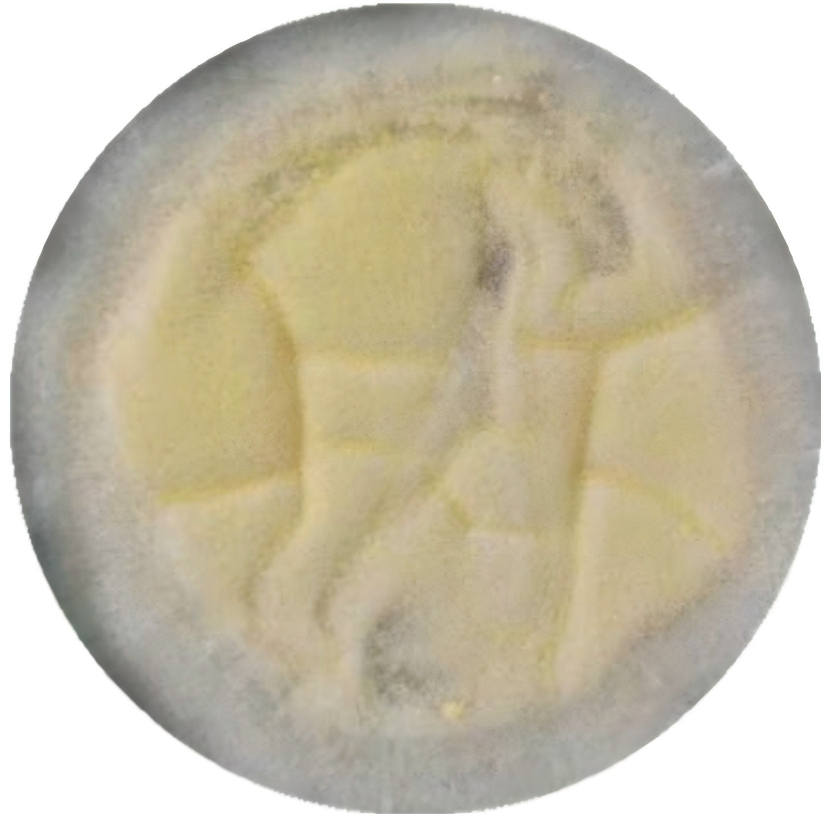
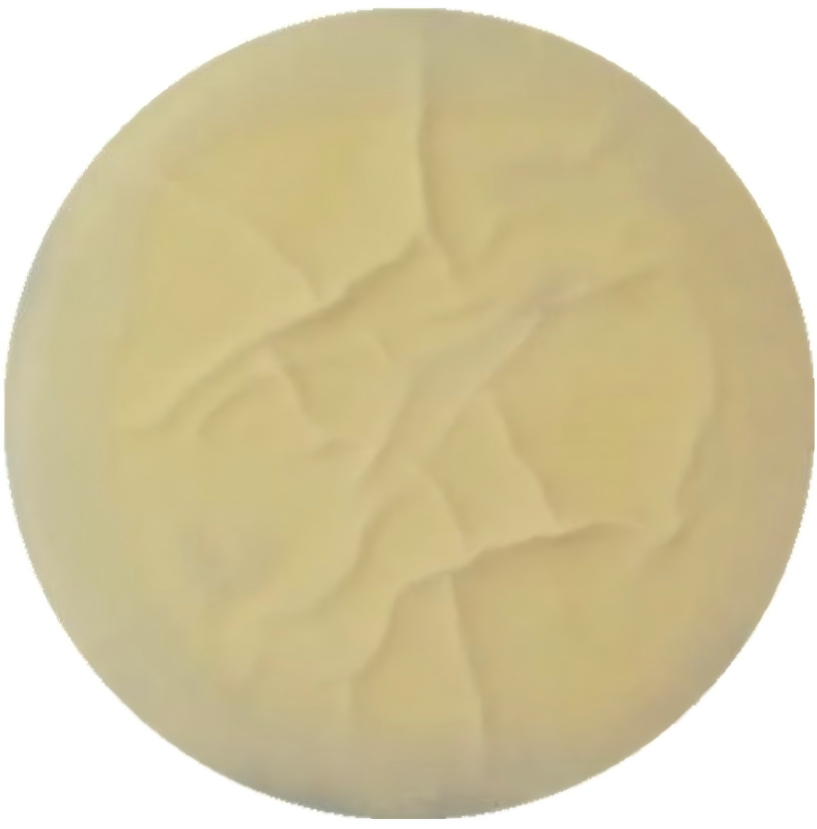
| morphology | Small filamentous fungi, with obvious colonies on comprehensive PDA medium, initially white hyphae, dense and vigorous, and later producing yellow spores that grow on flat plates |
| Sharing mode | Public welfare sharing |

 - English
 - Japanese

 info@bncc.com